How Much Exercise Does My Dog Really Need?
Introduction
One of the most common questions I hear dog owners ask is, “How much exercise does my dog need?” The short answer is: it depends.
There is no one-size-fits-all approach to daily exercise because a dog’s needs vary based on breed, age, energy level, and overall health. Most healthy dogs can tolerate at least one 20 to 30-minute walk per day, often more than once daily depending on the dog. In general, daily exercise needs typically fall somewhere between 30 minutes and 2 hours.
Always consult your veterinarian for personalized guidance, especially if your dog has health conditions, mobility concerns, or special needs.
Exercise Needs by Breed Group
Sporting and Herding Dogs
Sporting dogs such as golden retrievers, cocker spaniels, and pointers, as well as herding dogs like border collies, German shepherds, and corgis, typically require the most exercise. These dogs often need 90 to 120 minutes of daily activity that includes both physical movement and mental stimulation.
Because these breeds were developed to perform demanding tasks such as retrieving, tracking, or herding livestock, they naturally have high energy levels and strong working instincts.
Working Dogs
Working breeds, including boxers, Siberian huskies, and Great Danes, have varying exercise needs. Some require high levels of daily activity, while others do well with more moderate exercise. Because this group includes a wide range of breeds, it is best to research your dog’s specific breed. The American Kennel Club is a reliable resource for breed-specific guidance.
Hounds
Hound breeds such as basset hounds, beagles, and whippets vary greatly in size, stamina, and activity needs. This makes it especially important to consider factors such as age, health, and energy level.
Greyhounds, for example, are sprinters rather than endurance runners and often prefer short bursts of activity followed by rest. Beagles, on the other hand, enjoy longer walks, especially when given time to sniff and explore. In addition to how long you exercise your dog, it is equally important to consider the type of activity they receive.
Toy Breeds
Toy dogs, including chihuahuas, Pomeranians, and pugs, generally require less exercise than larger breeds. Many of their needs can be met through indoor play, although most still benefit from daily walks and structured activity.
Brachycephalic Breeds
Pugs, bulldogs, and other flat-faced breeds are not well suited for strenuous exercise. Extra caution should be taken during hot and humid weather, as these dogs are prone to overheating and respiratory distress. Light exercise, frequent breaks, and close monitoring are strongly recommended.
Terriers
Terriers are energetic, alert, and often highly driven. Many benefit from at least an hour of daily exercise paired with mentally stimulating activities such as training, games, or enrichment toys.
Exercise Needs by Age
Puppies
Puppies benefit most from multiple short walks or play sessions throughout the day rather than one long outing. Running and high-impact exercise should be limited due to their growing bones and joints.
A commonly recommended guideline is five minutes of structured exercise per month of age, once or twice daily. For example, a four-month-old puppy may tolerate about 20 minutes of activity per session. This guideline should be treated as a flexible reference rather than a strict rule.
Adult Dogs
Adult dogs typically reach their peak energy levels and exercise capacity. Their needs depend largely on breed, health, and temperament. High-energy breeds require more daily activity, while lower-energy breeds need less. Consistent movement, mental stimulation, and variety help maintain overall health.
Senior Dogs
Senior dogs often benefit from continued exercise, although intensity and duration should be adjusted. Conditions such as arthritis, heart disease, or mobility issues may affect activity levels, so it is best to consult your veterinarian.
Short daily walks and low-impact activities like swimming can support joint health, muscle strength, and mobility when done safely and in moderation. Many senior dogs feel better with gentle, consistent movement rather than complete rest.
How Weather Impacts Exercise
Dogs with thick coats, such as huskies and malamutes, can struggle in warm temperatures. In hot weather, walks should be scheduled during cooler parts of the day, such as early morning or evening. Pavement can become dangerously hot, so always test the surface with your hand or foot. If it feels too hot for you to hold for several seconds, it is too hot for your dog’s paws.
In colder weather, short-haired dogs may need sweaters or coats for warmth. After walks, wipe your dog’s paws to remove snow, ice, salt, or chemical deicers. During extreme temperatures, it is safest to shorten walks and prioritize indoor exercise while carefully monitoring for signs of distress.
Signs Your Dog May Be Overexerted
Once you have considered your dog’s age, breed, and veterinary guidance, pay attention to how your dog responds to exercise. Signs of overexertion may include limping, slowing down, frequent stopping, sitting during walks, difficulty keeping pace, or extreme fatigue afterward.
If your dog consistently shows these signs, you may need to reduce the length, intensity, or frequency of exercise sessions.
Exercise Is More Than Just Walks
Daily walks provide a great foundation, but they represent only one part of your dog’s overall activity needs. Mental stimulation, strength-building movement, and intentional exercise can be just as important as time spent on a leash.
In an upcoming blog post, we will explore enrichment activities, structured workouts, and creative ways to safely burn energy indoors or during extreme weather. To highlight the importance of intentional movement, I spoke with a dog fitness professional who sees these benefits firsthand.
Guest Insight: The Power of Structured Exercise
By Maddy, Owner of Bow Wow Fit Club
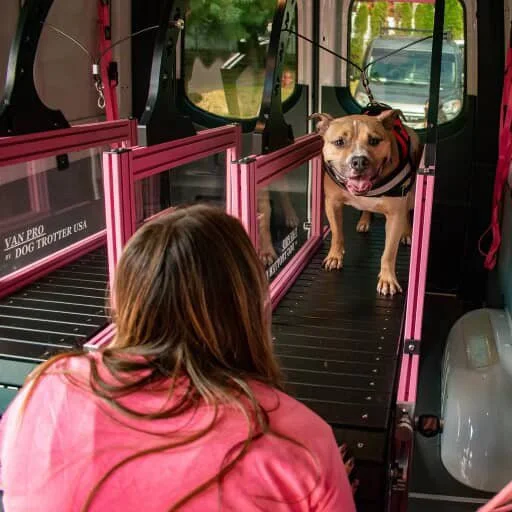
“As a mobile dog fitness trainer and the owner of Bow Wow Fit Club, I see firsthand how much regular, structured exercise can transform a dog's physical and mental health. Normal play is great and super important for enrichment, but it doesn't always give dogs the balanced, controlled workout they truly need.
Many dogs—especially high-energy breeds—benefit from focused one-on-one sessions where movement is safe and intentional. Signs a dog isn’t getting enough exercise can include restlessness, excessive barking, weight gain, destructive chewing, or even anxiety.
What many people don’t realize is that even 20–30 minutes of structured treadmill work or agility-style movement can burn energy in a healthier, more productive way than chaotic play. My goal is to make fitness accessible by bringing a safe, climate-controlled mobile dog gym right to people’s homes, so every dog can get the consistent activity they need to stay balanced, confident, and healthy.”



Conclusion
Every dog is unique, and finding the right balance of physical activity and mental engagement takes time, observation, and flexibility. By paying close attention to your dog’s behavior, energy levels, and overall well-being, and by working closely with trusted professionals, you can build an exercise routine that supports lifelong health and happiness.
Stay tuned for our next post, where we will explore creative and effective ways to exercise your dog beyond daily walks.
Resources
American Kennel Club. How Much Exercise Does a Dog Need?
https://www.akc.org/expert-advice/health/how-much-exercise-does-dog-need/American Kennel Club. Dog Breeds Sorted by Group
https://www.akc.org/public-education/resources/general-tips-information/dog-breeds-sorted-groups/American Kennel Club. Puppies: Mental and Physical Exercise
https://www.akc.org/expert-advice/health/puppies-mental-physical-exercise/ASPCA Pet Health Insurance. How Much Exercise Does My Dog Need?
https://www.aspcapetinsurance.com/resources/how-much-exercise-does-my-dog-need/Farmers Dog. How Much Exercise Do Dogs Need?
https://www.thefarmersdog.com/digest/how-much-exercise-do-dogs-need/Merck Animal Health. Dog Breeds That Need the Most Exercise
https://www.merck-animal-health-usa.com/pet-owners/lifestyle/breeds-of-dogs-that-need-the-most-exercise/PetMD. How Often Should You Walk Your Dog?
https://www.petmd.com/dog/general-health/how-often-should-you-walk-your-dogPetMD. Exercising With Your Dog 101
https://www.petmd.com/dog/wellness/evr_dg_exercising_with_your_dog101Wisdom Panel. Exercise Requirements by Breed
https://www.wisdompanel.com/en-us/blog/exercise-requirements-by-breedNational Weather Service. Pet Safety in Hot and Cold Weather
https://www.weather.gov/mqt/petsafety
